
Seasonal Home Maintenance Tips
Prevention Is the Best Insurance
The best insurance claim is one you never have to file. Regular seasonal maintenance protects your home from preventable damage, reduces your risk of costly claims, and can even help lower your insurance premiums over time. At Vantage Insurance, we encourage every homeowner to treat maintenance as an investment in their home's longevity and their financial well-being.
Here is your complete seasonal maintenance guide, organized by time of year.
Spring: Inspect and Repair
After a long winter, your home needs a thorough check-up. Spring is the ideal time to catch issues before they become expensive problems.
- Inspect your roof: Look for missing, cracked, or curling shingles. Check flashing around chimneys, vents, and skylights. Address any damage before spring rains arrive.
- Clean gutters and downspouts: Remove debris accumulated over winter. Ensure downspouts direct water at least three feet away from your foundation.
- Check the foundation: Walk the perimeter and look for cracks, settling, or signs of water infiltration.
- Service your HVAC system: Schedule a professional tune-up before the cooling season begins. Replace air filters.
- Test smoke and carbon monoxide detectors: Replace batteries and test all units throughout the house.
- Inspect plumbing: Check for leaks under sinks, around toilets, and near the water heater. Look for signs of water damage on ceilings and walls.
Insurance insight: Water damage from neglected plumbing is one of the most common homeowners insurance claims. A $200 plumbing inspection can prevent a $20,000 claim.
Summer: Protect and Maintain
Summer brings heat, storms, and increased outdoor activity. Focus on protection and proactive care.
- Trim trees and shrubs: Remove branches that overhang your roof or are close to power lines. Dead or weakened branches become projectiles during summer storms.
- Inspect decks and patios: Check for loose boards, protruding nails, and structural weakness. A guest injury on a poorly maintained deck creates liability exposure.
- Test your sump pump: Pour water into the sump pit to confirm the pump activates and drains properly. Summer thunderstorms can overwhelm basement drainage.
- Check outdoor lighting and walkways: Adequate lighting and even walkway surfaces reduce slip-and-fall risk for visitors.
- Review your home inventory: Summer is a great time to update your personal property inventory with photos or video of new purchases.
- Service your grill and outdoor appliances: Ensure gas connections are tight and that grills are positioned safely away from the house and overhanging structures.
Fall: Prepare and Winterize
Fall is your last chance to prepare before winter's harshest conditions arrive. This is often the most critical maintenance season.
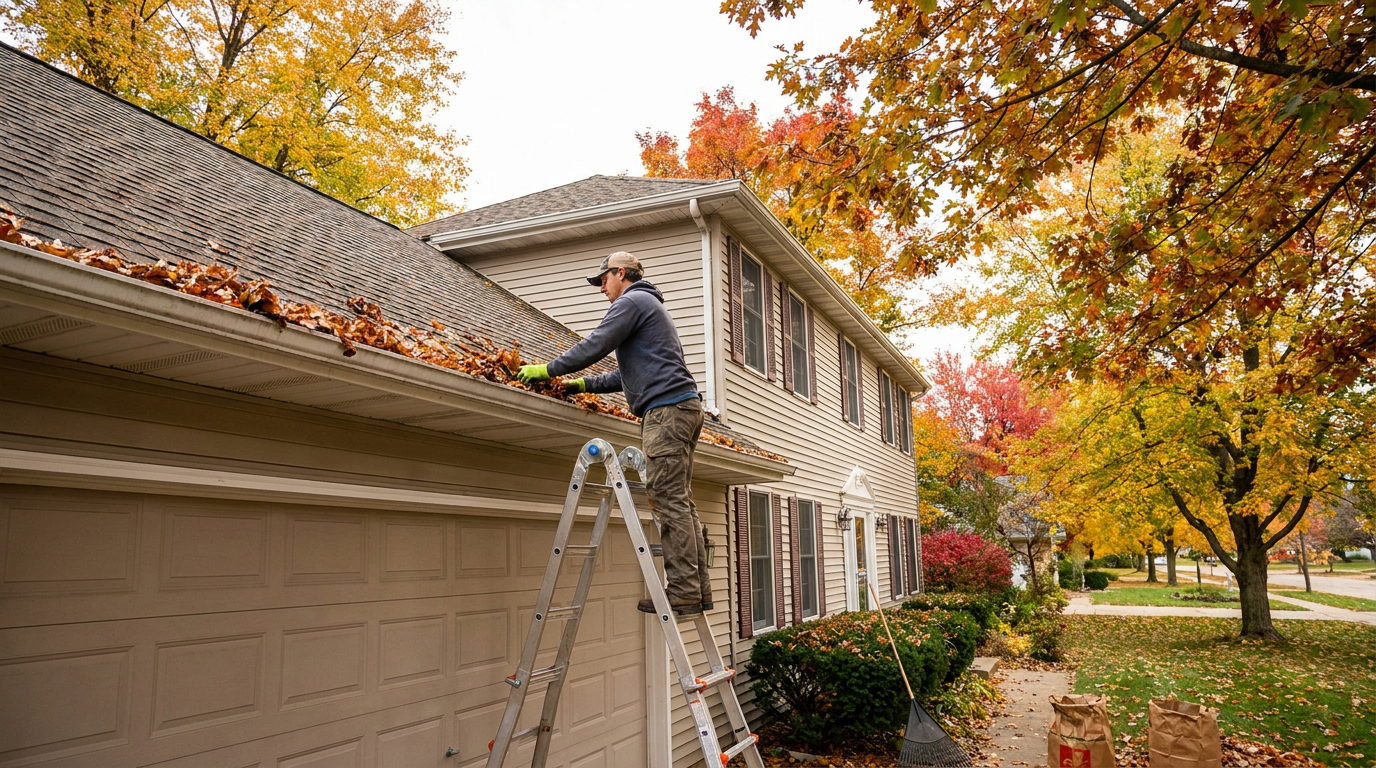
- Clean gutters again: Falling leaves can clog gutters quickly. Clogged gutters cause ice dams, which are a leading cause of winter roof damage.
- Insulate exposed pipes: Pipes in unheated areas like basements, attics, and garages are vulnerable to freezing. Foam pipe insulation is inexpensive and easy to install.
- Seal gaps and cracks: Use caulk around windows, doors, and any exterior penetrations. Proper sealing reduces heating costs and prevents moisture intrusion.
- Have your heating system serviced: A professional inspection of your furnace, boiler, or heat pump ensures safe, efficient operation throughout winter.
- Check your fireplace and chimney: Have the chimney swept and inspected annually. Creosote buildup is a leading cause of chimney fires.
- Store outdoor furniture and equipment: Bring items inside or cover them to prevent weather damage and reduce debris during winter storms.
Winter: Monitor and Respond
Winter demands vigilance. Cold temperatures, snow, and ice create unique risks for homeowners.
- Prevent ice dams: Ensure your attic has proper insulation and ventilation. Ice dams form when warm air escapes into the attic, melting snow that refreezes at the roof edge.
- Keep walkways clear: Promptly remove snow and ice from sidewalks, driveways, and stairs to prevent slip-and-fall injuries and reduce liability.
- Monitor indoor humidity: Excess humidity in winter can lead to condensation, mold growth, and wood damage. Use exhaust fans and a dehumidifier if needed.
- Know your shutoff valves: In the event of a burst pipe, knowing where to shut off the main water supply can prevent thousands of dollars in water damage.
- Keep your home heated: Even when traveling, maintain a minimum indoor temperature of 55 degrees Fahrenheit to prevent frozen pipes.
How Maintenance Affects Your Insurance
Insurers view well-maintained homes as lower-risk properties. The benefits include:
- Fewer claims: Preventive maintenance dramatically reduces the frequency of claims, keeping your premium stable.
- Discount eligibility: Some carriers offer premium credits for documented maintenance programs, security systems, and updated home systems.
- Claims-free rewards: At Vantage Insurance, policyholders who remain claims-free for three or more years earn additional premium discounts.
Make Maintenance a Habit
Protecting your home is a year-round commitment. Set calendar reminders for each season's tasks, keep a maintenance log, and do not hesitate to hire professionals for tasks beyond your comfort level. Your home — and your insurance policy — will thank you.