
Insights
7 min read
Disaster Preparedness and Insurance
How to prepare your family and your coverage before a natural disaster strikes
Why Disaster Preparedness Starts with Insurance
Natural disasters do not send advance invitations. Hurricanes, wildfires, tornadoes, earthquakes, and floods strike without warning, and the aftermath can be devastating — both emotionally and financially. While stocking emergency supplies and creating evacuation plans are essential, the most overlooked element of disaster preparedness is making sure your insurance coverage is adequate before disaster strikes.
At Vantage Insurance, we help families and businesses build resilient coverage strategies that provide real financial protection when it matters most.
Know Your Risk Zone
The first step in disaster preparedness is understanding which natural hazards are most likely in your area:
- Coastal regions: Hurricanes, storm surge, and flooding
- Midwest and Plains: Tornadoes, severe thunderstorms, and hail
- Western states: Wildfires, earthquakes, and mudslides
- Northern regions: Ice storms, heavy snow loads, and frozen pipes
- Flood plains: River flooding and flash floods can occur anywhere
FEMA's flood maps and your local emergency management agency are excellent resources for understanding your specific risk profile.
What Standard Policies Do Not Cover
One of the most dangerous misconceptions is that a standard homeowners policy covers all natural disasters. It does not. Here are the critical gaps:
Flood Damage
Standard homeowners and renters policies explicitly exclude flood damage. You need a separate flood insurance policy, available through the National Flood Insurance Program or private carriers. Even if you do not live in a designated flood zone, more than 25 percent of flood claims come from moderate- to low-risk areas.
Earthquake Damage
Earthquakes are excluded from standard policies in all 50 states. If you live in a seismically active region, a standalone earthquake policy or endorsement is essential. These policies typically carry higher deductibles — often 10 to 20 percent of the dwelling coverage amount.
Windstorm and Hurricane Deductibles
In coastal states, your policy may include a separate, higher deductible specifically for windstorm or hurricane damage. This deductible is typically calculated as a percentage of your dwelling coverage rather than a flat dollar amount.
Action item: Review your policy declarations page today. If you see exclusions for flood, earthquake, or windstorm, contact your Vantage agent to discuss adding appropriate coverage.
Building a Disaster-Ready Insurance Portfolio
A comprehensive disaster preparedness strategy includes:
- Adequate dwelling coverage: Ensure your policy covers the full replacement cost of your home, not just the market value.
- Flood insurance: Purchased separately, with coverage for both the structure and your personal belongings.
- Earthquake coverage: Added as a rider or standalone policy if you are in a risk zone.
- Business interruption insurance: For business owners, this covers lost income during a disaster-related closure.
- Additional living expenses: Confirms your policy will cover temporary housing if your home is uninhabitable.
Physical Preparedness Essentials
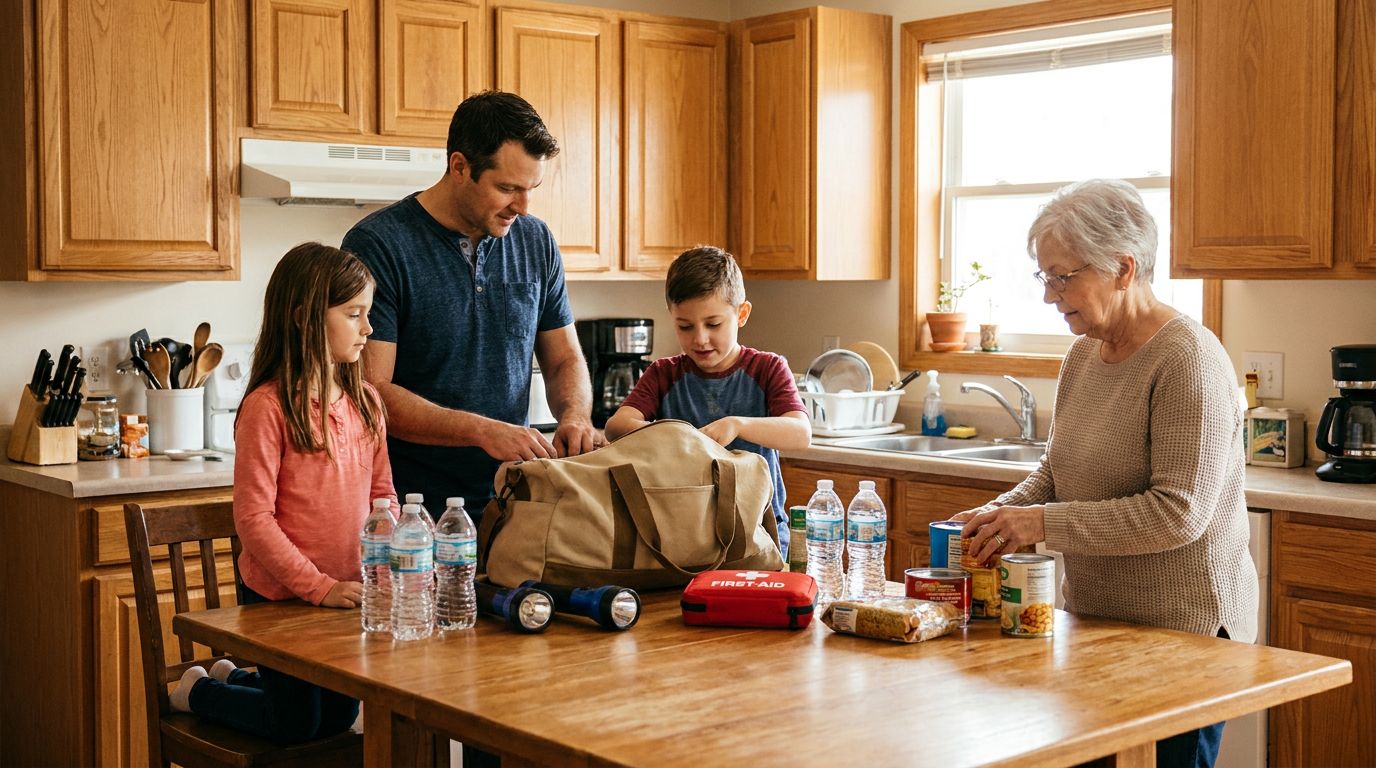
Insurance is your financial safety net, but physical preparation saves lives. Every household should have:
- An emergency kit: Water, non-perishable food, flashlights, batteries, first aid supplies, medications, and important documents
- A family communication plan: Designated meeting points, emergency contacts, and out-of-area contacts
- A home inventory: A detailed record of your belongings with photos or video, stored securely in the cloud
- Digital copies of important documents: Insurance policies, identification, medical records, and financial documents
- A go bag: A pre-packed bag with essentials for each family member, ready to grab and go
After the Disaster: Filing Your Claim
If disaster strikes, take these steps immediately:
- Ensure everyone's safety and contact emergency services if needed
- Document all damage with photos and video before making temporary repairs
- Contact Vantage Insurance to file your claim — our 24-hour response means an adjuster is assigned within one business day
- Keep all receipts for emergency repairs, temporary housing, and related expenses
- Cooperate with your adjuster and provide all requested documentation promptly
Be Ready Before the Storm
Disaster preparedness is not a one-time task — it is an ongoing commitment. Review your coverage annually, update your home inventory, refresh your emergency supplies, and talk to your Vantage Insurance agent about any changes in your risk profile. The time to prepare is now.